Podcast: Play in new window | Download
Subscribe: Apple Podcasts | Spotify | RSS
E46: ABRSM 2027–2028 Piano Syllabus Review: concerns about the future of classical music education
I’ve spent the last four weeks carefully examining the ABRSM 2027–2028 Piano Syllabus. Listen to find out what’s changed, what I think of the repertoire choices, and why this syllabus raises important questions about the future direction of ABRSM piano exams. Should students be able to take an ABRSM piano exam with only one classical piece? What does an ABRSM grade now represent? And what role should ABRSM play as one of the world’s most influential gateways into classical music?
Main takeaways
- A lot to like, with many enjoyable pieces and some excellent discoveries.
- Grade 8 is much more serious and challenging, perhaps an overcorrection to the previous syllabus.
- Biggest concern: popular-style pieces creeping into List B below Grade 8.
- In all grades below Grade 8, students can take an ABRSM exam with only one classical piece.
- Overall: good pieces, worrying direction.
More from Heart of the Piano on this syllabus
- Read the full written review
- Watch the YouTube version of this review
- Heart of the Piano on YouTube – Grade 8 performances and tutorials will be published there soon.
Contents
Links and resources mentioned
- ABRSM Piano syllabus page
- E41: ABRSM 2025-2026 Syllabus Review Part 1- embracing diversity or a subtle erosion of classical tradition?
- E37: Decolonising Piano Education… the radical new Trinity Piano Syllabus- and unpacking the many cans of unleashed worms
- Anna Lapwood’s Start Here podcast conversation with Alexis Ffrench
- Guardian article about the Grammys classical category controversy
Companion materials from the written review
These are the score examples and tables referred to in the episode. For the full argument behind them, read the full written review.
Production quality examples
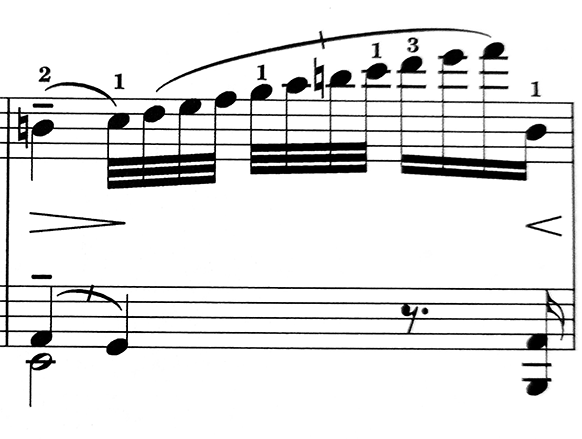
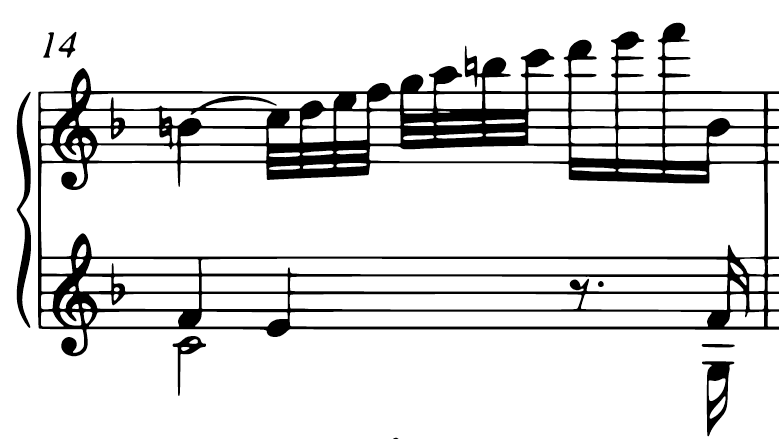
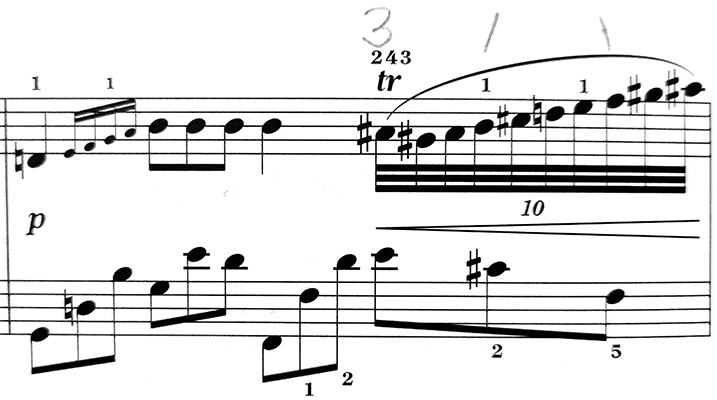
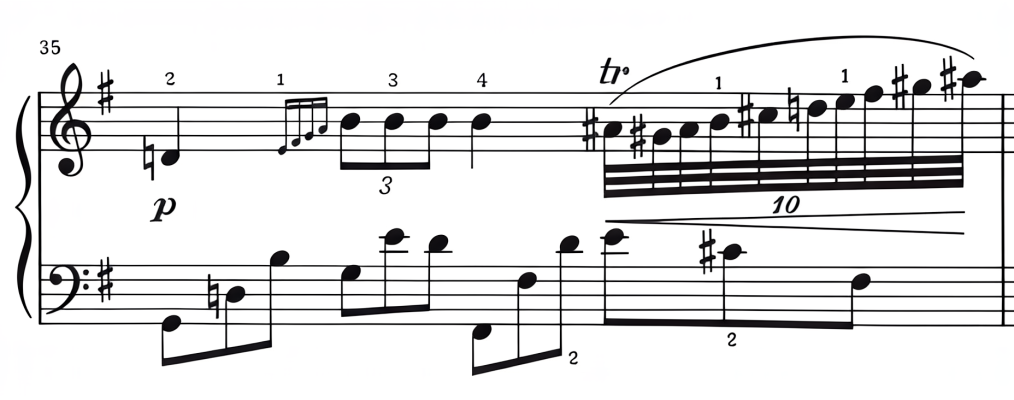
The new books are mostly free of misprints, except for Waltz Caprice by Cairos-Rego in Grade 8. Funnily enough, when you click on the QR code and watch the relevant tutorial, the teacher describes the harmonic vocabulary of this piece… and these harmonic features are exactly why I could hear that there were misprints- which I checked by listening to a historical recording. These misprints have made their way into the official recording. There are other minor typesetting issues with this piece, but also, much more importantly, an absolutely impossible metronome marking- making me wonder what on earth happened with this one piece?
Tables and statistical notes
Repertoire diversity: books and alternative choices, Grades 1–8
| Syllabus | Total listings | Women composers | BBIPOC composers | Women classical composers | BBIPOC classical composers |
|---|---|---|---|---|---|
| 2019–20 | 158 | 12 / 8% | 3 / 2% | 4 / 3% | 3 / 2% |
| 2021–22 | 240 | 45 / 19% | 9 / 4% | 22 / 9% | 8 / 3% |
| 2023–24 | 312 | 61 / 20% | 34 / 11% | 31 / 10% | 20 / 6% |
| 2025–26 | 385 | 85 / 22% | 43 / 11% | 37 / 10% | 21 / 5% |
| 2027–28 | 385 | 93 / 24% | 41 / 11% | 39 / 10% | 26 / 7% |
Repertoire diversity: books only, Grades 1–8
| Syllabus | Women composers | BBIPOC composers | Women classical composers | BBIPOC classical composers |
|---|---|---|---|---|
| 2019–20 | 5 / 7% | 2 / 3% | 2 / 3% | 2 / 3% |
| 2021–22 | 19 / 26% | 3 / 4% | 11 / 15% | 2 / 3% |
| 2023–24 | 20 / 28% | 14 / 19% | 13 / 18% | 7 / 10% |
| 2025–26 | 21 / 29% | 16 / 22% | 10 / 14% | 6 / 8% |
| 2027–28 | 23 / 32% | 12 / 17% | 9 / 12% | 9 / 12% |
Notes on the diversity tables:
- Non-white / BBIPOC composers: I have used a broad working definition based on ABRSM’s use of BBIPOC: Black, Brown, Indigenous and People of Colour, including named composers of Black and African heritage, Latine/Hispanic, Middle Eastern and North African, multi-racial, Asian, Indigenous, or other ethnically under-represented backgrounds. I have also taken a broad Global South perspective where relevant.
- Classical/art-music listings: these classifications involve judgement calls. I considered the composer’s wider musical world, educational and professional background, the idiom of the individual piece, and the way the piece functions in the syllabus. In borderline cases, I have tried to be consistent rather than perfectly definitive.
- Listings rather than unique composers: if the same composer appears multiple times, each appearance is counted separately. Anonymous traditional-source entries are excluded from named-composer counts.
Cost comparison: in-person exams
Cell format: book + exam = total.
| Grade | ABRSM | ABRSM Jazz | LCME | Trinity | Rockschool |
|---|---|---|---|---|---|
| 1 | £10.95 + £62 = £72.95 | £9.95 + £62 = £71.95 | £8.99 + £59 = £67.99 | £10.45 + £61 = £71.45 | £18.99 + £65 = £83.99 |
| 2 | £11.95 + £70 = £81.95 | £9.95 + £70 = £79.95 | £9.99 + £68 = £77.99 | £11.65 + £68 = £79.65 | £18.99 + £73 = £91.99 |
| 3 | £12.95 + £82 = £94.95 | £10.95 + £82 = £92.95 | £9.99 + £74 = £83.99 | £12.65 + £76 = £88.65 | £18.99 + £85 = £103.99 |
| 4 | £13.95 + £89 = £102.95 | £10.95 + £89 = £99.95 | £10.99 + £81 = £91.99 | £13.85 + £86 = £99.85 | £19.99 + £93 = £112.99 |
| 5 | £14.95 + £96 = £110.95 | £11.95 + £96 = £107.95 | £11.99 + £89 = £100.99 | £14.95 + £99 = £113.95 | £19.99 + £102 = £121.99 |
| 6 | £16.95 + £112 = £128.95 | £18.95 + N/A = N/A | £12.99 + £103 = £115.99 | £16.65 + £109 = £125.65 | £20.99 + £116 = £136.99 |
| 7 | £18.95 + £121 = £139.95 | £18.95 + N/A = N/A | £13.99 + £112 = £125.99 | £17.75 + £122 = £139.75 | £20.99 + £125 = £145.99 |
| 8 | £22.95 + £143 = £165.95 | £18.95 + N/A = N/A | £14.99 + £128 = £142.99 | £18.85 + £138 = £156.85 | £20.99 + £139 = £159.99 |
Cost comparison: online exams
Cell format: book + exam = total.
| Grade | ABRSM | ABRSM Jazz | LCME | Trinity | Rockschool |
|---|---|---|---|---|---|
| 1 | £10.95 + £55 = £65.95 | £9.95 + £55 = £64.95 | £8.99 + £57 = £65.99 | £10.45 + £55 = £65.45 | £18.99 + £50 = £68.99 |
| 2 | £11.95 + £64 = £75.95 | £9.95 + £64 = £73.95 | £9.99 + £64 = £73.99 | £11.65 + £61 = £72.65 | £18.99 + £56 = £74.99 |
| 3 | £12.95 + £72 = £84.95 | £10.95 + £72 = £82.95 | £9.99 + £71 = £80.99 | £12.65 + £68 = £80.65 | £18.99 + £63 = £81.99 |
| 4 | £13.95 + £79 = £92.95 | £10.95 + £79 = £89.95 | £10.99 + £76 = £86.99 | £13.85 + £78 = £91.85 | £19.99 + £71 = £90.99 |
| 5 | £14.95 + £87 = £101.95 | £11.95 + £87 = £98.95 | £11.99 + £83 = £94.99 | £14.95 + £88 = £102.95 | £19.99 + £78 = £97.99 |
| 6 | £16.95 + £100 = £116.95 | £18.95 + £100 = £118.95 | £12.99 + £96 = £108.99 | £16.65 + £98 = £114.65 | £20.99 + £90 = £110.99 |
| 7 | £18.95 + £108 = £126.95 | £18.95 + £108 = £126.95 | £13.99 + £103 = £116.99 | £17.75 + £109 = £126.75 | £20.99 + £97 = £117.99 |
| 8 | £22.95 + £127 = £149.95 | £18.95 + £127 = £145.95 | £14.99 + £118 = £132.99 | £18.85 + £120 = £138.85 | £20.99 + £109 = £129.99 |
Notes on the cost tables: prices and fees are those I found at the time of writing, and may change. Trinity book prices refer to the Standard editions, which contain 12 pieces per grade. Trinity also publish Extended editions, adding a further 9 pieces for a total of 21 pieces per grade.
Intro/outro music
The intro and outro music is my jazz arrangement of the Adagio from Rachmaninov’s Second Symphony. You can watch the full performance on YouTube.
Leave A Comment
You must be logged in to post a comment.